

Explore Your Path to a Better Solution

Futuristic digital interface illustrating agentic browsers and AI-driven search interactions

Explore Agentic Browsers: Impact on AI Search and Smart SEO

Agentic Browsers: How AI Agents Are Changing Marketing and SEO

Agentic browsers are a new breed of search interfaces where large language models (LLMs) and agent logic do more than list links: they fetch, summarize, and act on user requests. Platforms like ChatGPT Atlas and Perplexity Comet produce concise AI Overviews, complete tasks, and personalize results—shifting how discovery, intent, and conversion signals look for marketers. This guide breaks down what agentic browsers are, how they operate, and why executives and marketing leaders should change their SEO, content, automation, and measurement playbooks. You’ll get practical explanations of agent mechanics, clear SEO implications (including rising zero‑click behavior), content and structured-data tactics that boost AI citation chances, automation ideas, and KPI frameworks to track AI-influenced performance. Checklists, entity-impact mappings, JSON‑LD notes, and SMB-focused steps will help you prioritize actions for conversational AI search optimization and Smart SEO today.

What Are Agentic Browsers and Why They Matter for Marketing

Agentic browsers mix LLM-powered language understanding, orchestrated agent workflows, and plugin integrations to perform multi-step tasks and deliver synthesized answers rather than a list of links. That shortens the journey from question to solution, increases zero‑click outcomes, and favors authoritative, entity-rich sources that feed knowledge graphs and AI Overviews. For marketers, this means entity signals, structured data, and topical authority matter more than chasing traditional keyword rankings. Discovery, attribution, and experience change: queries sound conversational, results are condensed, and personalization is baked into answers—so teams must think in terms of AI-readable assets and entity optimization going forward.

What an Agentic Browser Is — and How It Works

At its core, an agentic browser is an interface built around an LLM plus agent logic that interprets intent, runs tasks, and composes a synthesized output instead of returning link lists. Behind the scenes these systems use knowledge graphs, retrieval‑augmented generation (RAG), and plugin connectors to pull source documents, check facts, and assemble context-aware responses. For example, a user who asks “plan a low‑budget road trip” might get a single, actionable itinerary stitched from multiple sources—not ten links to comb through. That flow—query → retrieval → synthesis → action—changes how intent signals look and raises the value of structured, authoritative content that agents can parse and cite.

The Future of Artificial Intelligence in Digital Search: Towards Conversational Experiences

The search landscape is shifting from keyword lists to conversational partners powered by advanced language models. Rising user expectations for natural interaction, plus the limits of static query‑response systems, are accelerating this change. Conversational systems don’t just return results; they maintain context across interactions, resolve ambiguities proactively, and adapt to evolving goals through sophisticated language understanding and personalization. In short, search is becoming goal‑oriented dialogue rather than a simple set of links.

The Future of AI in Digital Search: Towards a Fully Conversational Experience, K Agrawal, 2025

Which Platforms and Technologies Drive Agentic Browsers?

Several vendors and platforms illustrate the agentic browser model and its marketing implications. ChatGPT Atlas focuses on conversational orchestration and curated overviews; Perplexity Comet highlights citation‑aware summarization; Google Gemini and Microsoft Copilot blend search with assistant-style tasks and plugins; and emerging enterprise agent platforms connect knowledge graphs to LLM agents. Each emphasizes different strengths—citation clarity, plugin ecosystems, knowledge‑graph depth, or enterprise integration—but they all favor structured, verifiable entities and concise answers for end users.

How Agentic Browsers Affect SEO and Organic Traffic
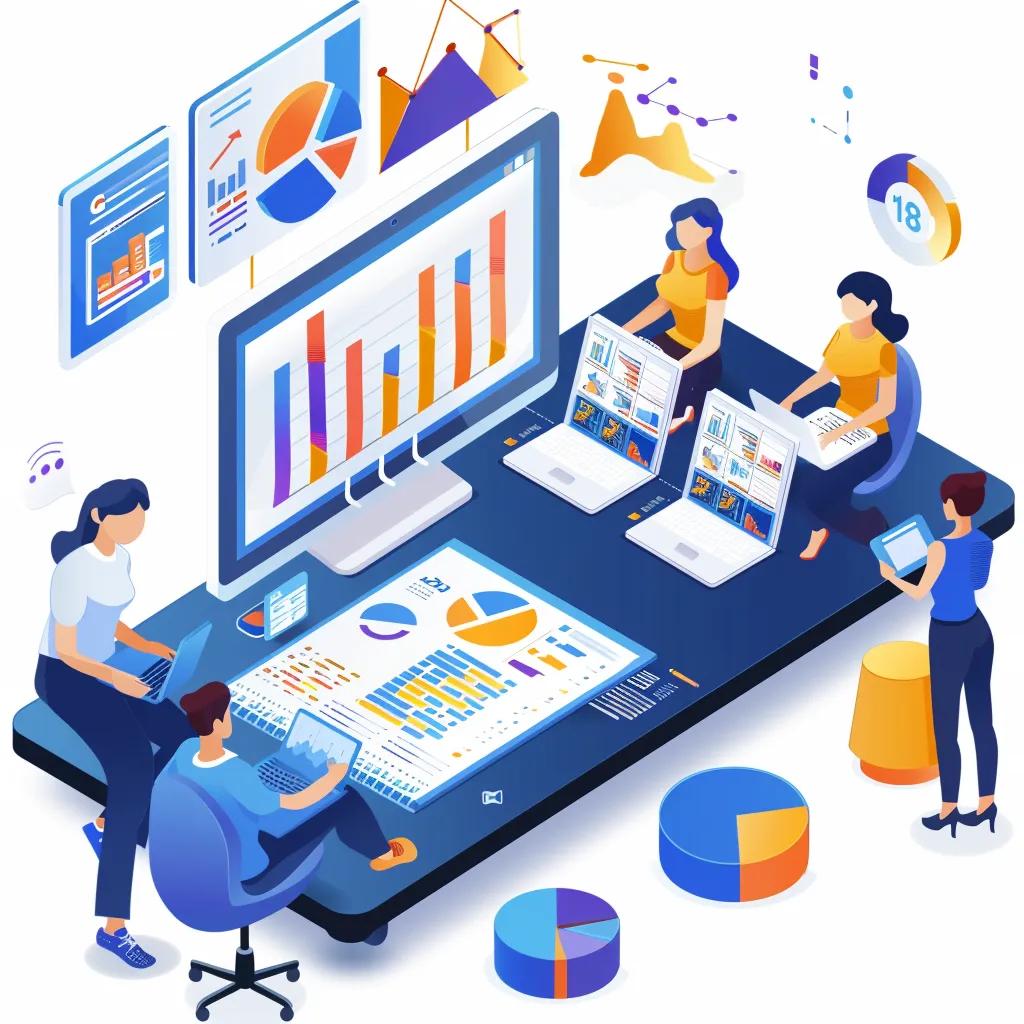
Agentic browsers change SEO by increasing zero‑click results, elevating entity authority, and shifting click dynamics across traditional SERPs. Because agents synthesize answers and often present AI Overviews or answer cards, impressions can stay steady while clicks fall—making CTR a weaker signal of visibility. Brands should add AI citation share and entity recognition to their reporting alongside classic rankings. Structured data, topical authority, and clear E‑E‑A‑T signals determine whether an agent cites or paraphrases your content, so practical changes in markup, page structure, and on‑site entity modeling are necessary to keep organic channels productive.

Zero‑click interactions happen when users get a complete answer without visiting a site, reducing direct organic click volume while concentrating conversion opportunities into richer, brand‑owned experiences. We’re seeing more informational queries resolved inline by AI Overviews and answer cards, which forces marketers to convert visibility into other assets—brand panels, knowledge graph entries, and integrated lead capture. To blunt click loss, optimize for extractable snippets, strengthen knowledge‑panel signals, and design content meant for citation that still nudges users toward deeper engagement or conversion hooks.

Before the following table, note: it maps agentic browser features to SEO attributes and practical mitigation tactics so teams can prioritize technical fixes and content changes to protect organic value.

Agentic Browser FeatureSEO Attribute AffectedRecommended Mitigation / Opportunity
AI Overviews / Synthesized AnswersOrganic Clicks & CTRPublish concise, authoritative summaries and labeled source snippets to improve citation likelihood
Automated Query CompletionLong‑tail DiscoveryDesign conversational Q&A and expand FAQ/FAQPage schema to capture intent variants
Citation‑First SummarizationBrand AttributionStrengthen Organization schema and knowledge graph signals to increase named‑source citations
Plugin / Action IntegrationsDirect ConversionsExpose APIs or structured service data so agents can trigger bookings, appointments, or lead flows

This comparison shows agents reward content that’s both authoritative and machine‑readable. Shifting technical SEO and schema priorities reduces the downside of zero‑click trends and opens new visibility paths.

Marketers need to reprioritize entity modeling, structured data, and conversational content while keeping core technical health intact. Start by mapping your primary entities—brands, products, services—and the signals that demonstrate authoritativeness, then add schema that expresses those relationships to downstream agents. Internal linking and topical clusters remain important but should emphasize entity prominence and clear source attribution. Also fix technical basics—fast pages, canonical clarity, and excerptable content—so agentic browsers can ingest and trust your material. Finally, broaden keyword research to include conversational queries and task‑based intents agents are likely to receive.

Key tactical checklist for AI‑driven SEO:

  1. Build entity‑focused content hubs that define and connect brand, product, and service entities.
  2. Add high‑value schema types (Organization, Service, Article, FAQPage) to improve AI comprehension.
  3. Craft concise answer passages (40–100 words) for probable agent prompts to increase snippet citation chances.

Putting these tactics into practice creates extractable content agents prefer and raises the odds your pages are chosen for AI Overviews and conversational answers.

Content Strategies That Work for Agentic Browsers

Content for agentic browsers must be AI‑readable, conversational, and structured so agents can parse, verify, and cite it. The core approach is entity‑centric: clearly define entities, link them semantically, and provide short, authoritative answer blocks an agent can lift into an AI Overview. Formats that perform well include compact explanatory paragraphs, Q&A blocks, structured FAQs, and service definitions that map cleanly to schema. Emphasize E‑E‑A‑T: show experience and authority with clear authorship, up‑to‑date citations, and verifiable links (so agents can validate claims), and write in the conversational language users use for task‑oriented requests.

How to Write AI‑Readable, Conversational Content

To make content AI‑readable, organize pages into labeled sections with short answer paragraphs, explicit entity mentions, and conversational Q&A that mirrors user phrasing. Start each important concept with a compact definition, follow with a brief explanation, and end with a clear next step or call to action an agent could surface. Use headings as entity markers and craft 40–100‑word extracts that directly answer likely prompts. Also create canonical FAQs and conversational templates for common tasks to increase the chance of inclusion in AI Overviews or PAA‑style responses.

This structure improves machine comprehension and supports later personalization; next, focus on the schema types that formally express these entities to AI systems.

Why Structured Data Is a Visibility Multiplier

Structured data gives agents machine‑readable signals about entities, properties, and relationships—making schema a critical visibility lever. Priority schema types for agentic browsers include Article (headline/date/author), FAQPage (question/answer blocks), Service (serviceName/serviceType), and Organization (name/logo/contactPoint where allowed). When these properties are present and accurate, agents can verify statements, attribute citations, and decide whether to surface your content as a trusted source. Structured data also helps knowledge graph inclusion, which raises the chance of AI citation and recommended outcomes in agent workflows.

Below is a practical mapping to guide implementation priorities and expected visibility benefits.

Schema TypeKey Properties to IncludeVisibility Benefit / Outcome
Articleheadline, author, datePublishedBetter extraction for AI Overviews and content citations
FAQPagemainEntity.question/answerHigher likelihood of being used for direct Q&A responses
ServiceserviceType, provider, areaServedAllows agents to present service options and trigger actions
Organizationname, logo, sameAsStrengthens brand attribution and knowledge panel signals

Adding these schema types helps agents parse your content reliably and increases the chance of being cited or recommended in AI results.

How AI Automation Amplifies Marketing with Agentic Browsers

AI automation pairs naturally with agentic browsers by speeding content creation, enriching metadata, and routing leads for the AI search era. Automation can spot high‑value pages, generate extractable answer blocks, apply JSON‑LD templates, and monitor AI citation opportunities—cutting manual work and errors. When agentic browsers expose triggers or plugins, automation workflows can route qualified leads, personalize follow‑ups, or push assets into CRMs. For SMBs, automation lowers costs and boosts consistency, letting smaller teams compete for AI visibility through scalable Smart SEO and repeatable AI processes.

Marketing Tasks You Can Automate

Common automations include content snippet extraction, schema injection, conversational Q&A mapping, lead qualification, and personalized content assembly. For example, a system can scan top pages, extract candidate answer passages, auto‑generate FAQ entries, and insert matching JSON‑LD. Lead routing can fire when an agentic action signals purchase intent, enabling faster follow‑up. Implementations need monitoring to prevent quality drift and privacy‑aware design to protect user data; done well, these automations deliver measurable efficiency gains for SMB teams.

Key automation opportunities:

  • Content snippet detection and templating
  • Schema generation and validation pipelines
  • Lead scoring and routing triggered by agent signals

These automations cut manual effort and speed the path from content to AI‑actionable assets.

How AI Personalization Raises Engagement
AI personalization uses context—past queries, device, location, and stated preferences—to tailor responses and recommended actions inside agentic browsers. Personalized answers feel more relevant and increase the chance an agent will surface your content for a specific task. For marketers, personalization can improve time‑to‑conversion and lead quality by aligning agent‑surfaced content with intent. Always measure whether personalization lifts business outcomes, not just engagement: test variants of AI‑readable content and track downstream conversion behavior for iterative improvement.

How to Measure Success with Agentic Browsers

Measuring AI‑influenced search requires new KPIs alongside familiar metrics. Important signals include Share of Recommendation (how often agents cite or recommend your assets), AI Visibility Score (a composite of entity recognition and citation frequency), and Entity Recognition Rate (how often agents map queries to your defined entities). Combined with adapted analytics—GA4 events, Search Console query analysis, and manual SERP/AI citation checks—these metrics show whether AI search is driving qualified traffic or replacing clicks with direct recommendations. Regular audits and an AI‑aware reporting cadence help teams refine content and technical signals over time.

Key KPIs for AI Search Optimization

Pick KPIs that reflect both visibility and influence inside agentic results. Share of Recommendation measures the share of agent responses referencing your brand or content; AI Visibility Score aggregates entity hits, schema presence, and snippet inclusion; Entity Recognition Rate tracks whether agents correctly identify your products or services. Pair each KPI with a measurement method—manual SERP checks, API citation monitoring, or event‑driven analytics—and interpret them against conversion outcomes rather than raw clicks. Targets vary by industry; a sensible starting goal is steady quarter‑over‑quarter improvement in Share of Recommendation.

Below is a concise KPI mapping to guide operational measurement.

KPIMeasurement MethodRecommended Target / Interpretation
Share of RecommendationAgent citation monitoring / manual checksRising Q/Q; higher share means better agent visibility
AI Visibility ScoreComposite: entity hits + schema validation + snippet presenceTrack as a trend; upward movement signals improved AI‑readability
Entity Recognition RateSearch Console + knowledge graph auditsHigher rate shows agents correctly attribute queries to your brand

This mapping gives a practical framework for tracking progress and connecting AI search work to business outcomes.

How SMBs Can Track AI‑Influenced Traffic Without Large Budgets

Cost‑effective measurement starts with configuring GA4 to capture events tied to AI entry points and using Search Console to spot changes in query types and impressions that line up with AI Overviews. Add periodic manual checks of agentic platforms (ChatGPT Atlas, Perplexity Comet) for citation behavior and run lightweight audits to capture when your content is referenced. A repeatable script—check entity mentions, schema validity, and answer extractability—gives SMBs an actionable view without heavy investment. Regular reports that tie AI visibility to lead quality and conversion events help teams prioritize what moves the business needle.

Why Work with Believe in Better Solutions on AI‑Powered Marketing?

Believe in Better Solutions (BinB Solutions) is a business, marketing, and technology consultancy that helps SMBs adopt AI tools and SEO practices that generate leads. Services aligned with agentic browser adaptation include AI & Automation to streamline workflows, Smart SEO to optimize entity and schema signals, and Smart Websites that build AI‑readable, conversion‑focused pages. BinB positions these services to reduce errors and costs with automation, drive predictable traffic and leads with Smart SEO, and free up business owners by operationalizing scalable AI workflows. For SMBs looking for a pragmatic partner to implement the steps described here, BinB provides consultative assessments and a free website performance report to highlight priority opportunities.

How BinB Helps SMBs Prepare for Agentic Browsers

BinB uses a practical assess → implement → measure → iterate approach tailored to SMB constraints. Assessments reveal entity gaps, missing schema, and quick automation wins; implementations deliver Smart Websites and Smart SEO fixes—structured data, extractable answer blocks, and content hubs—plus AI & Automation pipelines to operationalize updates. Measurement ties AI Visibility Score and Share of Recommendation to real lead outcomes, and the iterative cycle hones assets to increase agent citations. The model focuses on scalable, achievable improvements without overloading internal teams so SMBs can compete for AI visibility with targeted technical and content investments.

Case Studies That Show BinB’s Approach

  1. Assessment‑Led Roadmap: Identify schema and entity gaps and prioritize fixes.
  2. Implementation Package: Smart Websites + Smart SEO to deliver extractable content and schema.
  3. Automation & Measurement: AI & Automation to establish pipelines and KPI tracking.

Frequently Asked Questions

What’s the main difference between traditional search and agentic browsers?

Traditional search returns ranked links based on keywords, leaving users to sift results. Agentic browsers use LLMs and agent logic to synthesize information and provide direct answers or actions. That reduces time spent searching and increases zero‑click outcomes, where users get what they need without visiting a site.

How can businesses make their content work for agentic browsers?

Focus on AI‑readable, conversational content: clear structure, concise answer blocks, and schema markup. Prioritize entity modeling and credible citations. Align content with task‑based, conversational queries so agents can find, verify, and surface your material.

Why does user intent matter more with agentic browsers?

Agentic systems interpret context and purpose to produce relevant, personalized responses. Understanding intent helps you craft content that matches user goals, which improves the chances an agent will surface your content and increases conversion potential.

How does structured data boost AI visibility?

Structured data sends machine‑readable signals about entities and relationships, helping agents verify and attribute information. Proper schema increases the likelihood your content appears in AI Overviews, knowledge panels, and other prominent AI features.

What challenges should businesses expect when adapting?

Shifting from keyword‑first to entity‑first approaches takes effort: content strategy changes, schema work, and new KPIs. Teams may need training and new measurement processes to track AI visibility effectively.

How can AI automation help marketing teams?

Automation speeds repetitive tasks like snippet generation, schema insertion, and lead routing. It helps scale AI‑readable content and monitoring so teams can focus on strategy while reducing manual errors.

How can SMBs compete in the AI search era?

SMBs should prioritize entity modeling, structured data, and clear conversational content. Use automation to scale updates and set up simple AI visibility monitoring. These steps make smaller teams more competitive in agentic search results.

Conclusion

Agentic browsers are reshaping how people discover and act on information. By prioritizing structured data, entity authority, and extractable answer content, businesses can improve citation rates and stay visible in AI‑driven results. Updating your SEO and content playbooks now will protect organic value and open new conversion paths. Start applying these tactics today to keep your brand discoverable as search becomes more conversational and action‑oriented.

Related Posts

0 Comments

Submit a Comment

Your email address will not be published. Required fields are marked *